Buy xpr.eu ?
We are moving the project
xpr.eu .
Are you interested in purchasing the domain
xpr.eu ?
domain@kv-gmbh.de · 0541-91531010
Buy xpr.eu ?
How can magnesium sulfide be produced?
Magnesium sulfide can be produced by reacting magnesium metal with sulfur. The reaction typically takes place at high temperatures in an inert atmosphere to prevent oxidation of the magnesium. The chemical equation for the reaction is: 2Mg + S -> MgS. The resulting magnesium sulfide can then be isolated and purified for various industrial applications. **
How do magnesium and sulfur react to form magnesium sulfide?
Magnesium and sulfur react to form magnesium sulfide through a chemical reaction where magnesium atoms lose two electrons to form Mg2+ ions, while sulfur atoms gain two electrons to form S2- ions. These ions then combine in a 1:1 ratio to form magnesium sulfide (MgS) through ionic bonding. The reaction between magnesium and sulfur is exothermic, releasing energy in the form of heat and light. **


Similar search terms for Magnesium sulfide
Top-Angebote
Products related to Magnesium sulfide:
-
Novexpert Magnesium Mist face mist with magnesium 150 mlNovexpert Magnesium Mist, 150 ml, Face mist for Women, For instant refreshment, cooling or also hydration of the skin, the Novexpert Magnesium Mist facial spray takes care of it. It awakens your skin at any time of day and delivers a pleasant feeling of freshness – as if you’ve just stepped out of the shower. Characteristics: helps to prevent skin dehydration refreshes and brightens relaxing effect suitable for sensitive skin How to use: Spray an appropriate amount of the product onto the face.6,72 £*Shipping: 3,99 £Secure redirect to the provider
-
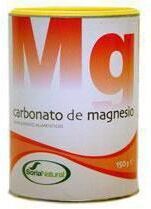
Alecosor Magnesium carbonateNutrition and Supplements Vitamins and minerals Alecosor Magnesium carbonate Magnesium carbonate besides being an important natural source of magnesium is able to mask the sour taste of some fruit juice (lemon, grapefruit and orange). Instructions for use: Dissolve 2 tablespoons in half a glass of water or juice and drink after making digestion and before bedtime. Content: 150g3,52 £*Shipping: 3,99 £Secure redirect to the provider
-
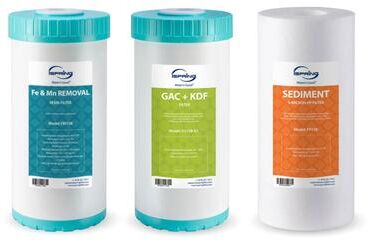
iSpring F3WGB31BMKS Whole House Water Filter Pack, Reduces Iron, Manganese, Hydrogen Sulfide, Lead, Chlorine, SedimentsReliable Whole House Water Filtration – F3WGB31BMKS whole house water filter replacement pack includes a 10” x 4.5” sediment filter, a GAC and KDF compound filter, and an iron filter to tackle sediments, chlorine, heavy metals, hydrogen sulfide,...143,77 $*Shipping: 0,00 $Secure redirect to the provider
-
Ion Magnesium Blow DryerThis cutting-edge blow dryer is a revolutionary advancement in heat styling technology. This next-generation tool boasts rapid heat-up capabilities, ensuring a consistent and stable temperature for effortless and uniform styling. Infused with...84,99 $*Shipping: 0,00 $Secure redirect to the provider


-
How are magnesium ions and sulfide ions formed?
Magnesium ions are formed when a magnesium atom loses two electrons, resulting in a 2+ charge. This typically occurs when magnesium reacts with other elements, such as oxygen or chlorine. Sulfide ions are formed when a sulfur atom gains two electrons, resulting in a 2- charge. This can occur when sulfur reacts with metals, such as iron or copper. Both magnesium ions and sulfide ions are formed through the process of ionization, where atoms gain or lose electrons to achieve a stable electron configuration. **
-
Can the empirical formula of magnesium sulfide be determined by looking at the periodic table?
Yes, the empirical formula of magnesium sulfide can be determined by looking at the periodic table. Magnesium is a metal with a +2 charge, and sulfur is a nonmetal with a -2 charge. When these two elements combine, they form a compound with a 1:1 ratio of magnesium to sulfur atoms, resulting in the empirical formula MgS. Therefore, by understanding the charges of the elements and their combining ratios, the empirical formula of magnesium sulfide can be determined using the periodic table. **
-
Why do silver sulfide and iron sulfide glow differently?
Silver sulfide and iron sulfide glow differently because they have different chemical compositions and crystal structures. The differences in their electronic structures lead to variations in the way they absorb and emit light. Additionally, the presence of different impurities or defects in the crystal lattice of each compound can also affect their luminescent properties. Overall, these differences result in silver sulfide and iron sulfide emitting light at different wavelengths and intensities, leading to their distinct glowing appearances. **
-
What is iron sulfide?
Iron sulfide is a chemical compound composed of iron and sulfur atoms. It is commonly found in nature as minerals such as pyrite (fool's gold) and marcasite. Iron sulfide is known for its metallic luster and pale brass-yellow color. It is also used in various industrial applications, including in the production of sulfuric acid and as a semiconductor material. **

What is hydrogen sulfide?
Hydrogen sulfide is a colorless, flammable, and toxic gas with a characteristic foul odor of rotten eggs. It is naturally produced by the decay of organic matter and is commonly found in natural gas, crude petroleum, and volcanic gases. Hydrogen sulfide is also produced by certain bacteria in environments with little or no oxygen, such as swamps, sewers, and manure pits. It is used in various industrial processes, including the production of sulfuric acid, but can be extremely hazardous to human health in high concentrations. **
What is copper sulfide?
Copper sulfide is a chemical compound made up of copper and sulfur atoms. It can exist in different forms, such as copper(I) sulfide (Cu2S) and copper(II) sulfide (CuS). Copper sulfide is commonly found in nature as a mineral and is often used in various industrial applications, including as a semiconductor material in electronics and as a source of copper in metal extraction processes. **
Top-Angebote
Products related to Magnesium sulfide:
-
Salvat Magnesium Svt Sports AdvancedNutrition and Supplements Vitamins and minerals Salvat Magnesium Svt Sports Advanced Magnesium SVT Sports Advanced has been created to meet the body's magnesium needs, while contributing to improved energy performance , reducing the feeling of fatigue and normal muscle function. The recommended daily allowance (RDA) of magnesium is approximately 375 mg. Magnesium plays a key role in muscle contraction and prevents cramps and muscle damage; it also prevents tiredness, fatigue, and lack of concentration; and it also prevents muscle and back pain resulting from excessive nerve and muscle stimulation. Each Magnesium SVT Sports Advanced tablet provides 250 mg of magnesium hydroxide (equivalent to 104.3 mg of magnesium ion) and 30 mg of Vitamin C. In addition, Magnesium SVT Sports Advanced is supplemented with marine cartilage rich in collagen precursors (hyaluronic acid and chondroitin sulfate). Vitamin C contributes to the normal function of the immune system during and after intense physical exercise and helps reduce tiredness and fatigue. The new Magnesium SVT Sports Advanced comes in a convenient, modern bottle containing 60 chewable cola-flavored tablets.13,33 £*Shipping: 3,99 £Secure redirect to the provider
-
Robis Premium Magnesium 7 Magnesium Salts 100 CapsulesNutrition and Supplements Vitamins and minerals Robis Premium Magnesium 7 Magnesium Salts 100 Capsules Rich in magnesium, it helps reduce tiredness and fatigue. Instructions for use: Take 2 capsules a day with a sufficient amount of water, one with breakfast and one with dinner.9,88 £*Shipping: 3,99 £Secure redirect to the provider
-
Novexpert Magnesium Mist face mist with magnesium 150 mlNovexpert Magnesium Mist, 150 ml, Face mist for Women, For instant refreshment, cooling or also hydration of the skin, the Novexpert Magnesium Mist facial spray takes care of it. It awakens your skin at any time of day and delivers a pleasant feeling of freshness – as if you’ve just stepped out of the shower. Characteristics: helps to prevent skin dehydration refreshes and brightens relaxing effect suitable for sensitive skin How to use: Spray an appropriate amount of the product onto the face.6,72 £*Shipping: 3,99 £Secure redirect to the provider
-
Alecosor Magnesium carbonateNutrition and Supplements Vitamins and minerals Alecosor Magnesium carbonate Magnesium carbonate besides being an important natural source of magnesium is able to mask the sour taste of some fruit juice (lemon, grapefruit and orange). Instructions for use: Dissolve 2 tablespoons in half a glass of water or juice and drink after making digestion and before bedtime. Content: 150g3,52 £*Shipping: 3,99 £Secure redirect to the provider
-
How can magnesium sulfide be produced?
Magnesium sulfide can be produced by reacting magnesium metal with sulfur. The reaction typically takes place at high temperatures in an inert atmosphere to prevent oxidation of the magnesium. The chemical equation for the reaction is: 2Mg + S -> MgS. The resulting magnesium sulfide can then be isolated and purified for various industrial applications. **
-
How do magnesium and sulfur react to form magnesium sulfide?
Magnesium and sulfur react to form magnesium sulfide through a chemical reaction where magnesium atoms lose two electrons to form Mg2+ ions, while sulfur atoms gain two electrons to form S2- ions. These ions then combine in a 1:1 ratio to form magnesium sulfide (MgS) through ionic bonding. The reaction between magnesium and sulfur is exothermic, releasing energy in the form of heat and light. **
-
How are magnesium ions and sulfide ions formed?
Magnesium ions are formed when a magnesium atom loses two electrons, resulting in a 2+ charge. This typically occurs when magnesium reacts with other elements, such as oxygen or chlorine. Sulfide ions are formed when a sulfur atom gains two electrons, resulting in a 2- charge. This can occur when sulfur reacts with metals, such as iron or copper. Both magnesium ions and sulfide ions are formed through the process of ionization, where atoms gain or lose electrons to achieve a stable electron configuration. **
-
Can the empirical formula of magnesium sulfide be determined by looking at the periodic table?
Yes, the empirical formula of magnesium sulfide can be determined by looking at the periodic table. Magnesium is a metal with a +2 charge, and sulfur is a nonmetal with a -2 charge. When these two elements combine, they form a compound with a 1:1 ratio of magnesium to sulfur atoms, resulting in the empirical formula MgS. Therefore, by understanding the charges of the elements and their combining ratios, the empirical formula of magnesium sulfide can be determined using the periodic table. **
Similar search terms for Magnesium sulfide
-
iSpring F3WGB31BMKS Whole House Water Filter Pack, Reduces Iron, Manganese, Hydrogen Sulfide, Lead, Chlorine, SedimentsReliable Whole House Water Filtration – F3WGB31BMKS whole house water filter replacement pack includes a 10” x 4.5” sediment filter, a GAC and KDF compound filter, and an iron filter to tackle sediments, chlorine, heavy metals, hydrogen sulfide,...143,77 $*Shipping: 0,00 $Secure redirect to the provider
-
Ion Magnesium Blow DryerThis cutting-edge blow dryer is a revolutionary advancement in heat styling technology. This next-generation tool boasts rapid heat-up capabilities, ensuring a consistent and stable temperature for effortless and uniform styling. Infused with...84,99 $*Shipping: 0,00 $Secure redirect to the provider
-
Ion Magnesium Curling Ironion Magnesium Curling Iron is part of the next generation of heat styling. The 1 Inch barrel heats fast, maintains a stable temperature and leaves hair looking and feeling healthier, shiny and softer hair with the combination of Magnesium and...47,99 $*Shipping: 0,00 $Secure redirect to the provider
-
Why do silver sulfide and iron sulfide glow differently?
Silver sulfide and iron sulfide glow differently because they have different chemical compositions and crystal structures. The differences in their electronic structures lead to variations in the way they absorb and emit light. Additionally, the presence of different impurities or defects in the crystal lattice of each compound can also affect their luminescent properties. Overall, these differences result in silver sulfide and iron sulfide emitting light at different wavelengths and intensities, leading to their distinct glowing appearances. **
-
What is iron sulfide?
Iron sulfide is a chemical compound composed of iron and sulfur atoms. It is commonly found in nature as minerals such as pyrite (fool's gold) and marcasite. Iron sulfide is known for its metallic luster and pale brass-yellow color. It is also used in various industrial applications, including in the production of sulfuric acid and as a semiconductor material. **
-
What is hydrogen sulfide?
Hydrogen sulfide is a colorless, flammable, and toxic gas with a characteristic foul odor of rotten eggs. It is naturally produced by the decay of organic matter and is commonly found in natural gas, crude petroleum, and volcanic gases. Hydrogen sulfide is also produced by certain bacteria in environments with little or no oxygen, such as swamps, sewers, and manure pits. It is used in various industrial processes, including the production of sulfuric acid, but can be extremely hazardous to human health in high concentrations. **
-
What is copper sulfide?
Copper sulfide is a chemical compound made up of copper and sulfur atoms. It can exist in different forms, such as copper(I) sulfide (Cu2S) and copper(II) sulfide (CuS). Copper sulfide is commonly found in nature as a mineral and is often used in various industrial applications, including as a semiconductor material in electronics and as a source of copper in metal extraction processes. **
* All prices are inclusive of VAT and, if applicable, plus shipping costs. The offer information is based on the details provided by the respective shop and is updated through automated processes. Real-time updates do not occur, so deviations can occur in individual cases. ** Note: Parts of this content were created by AI.